9 places · Barcelona
The Best Neighborhoods to Explore in Barcelona
Barcelona grew by absorbing independent towns such as Gràcia and Sarrià and by filling the land outside its medieval walls, so each neighborhood still has its own plan, squares and pace. The Ciutat Vella quarters keep narrow medieval lanes, Sant Antoni sits on Cerdà's 19th-century grid, and Poblenou is a former factory district turned tech hub. Pick two or three for a day, walk between their squares and markets, and use the metro or FGC to jump between them.
Compare at a glance
| Place | Area |
|---|---|
| Gràcia | Gràcia |
| El Raval | Ciutat Vella |
| El Born | Ciutat Vella |
| Gothic Quarter (Barri Gòtic) | Ciutat Vella |
| Poblenou | Poblenou & Sant Martí |
| Sant Antoni | Eixample |
| Poble-sec | Montjuïc & Poble-sec |
| Sarrià | Sarrià-Sant Gervasi & Tibidabo |
| La Barceloneta | Barceloneta & Port |
-
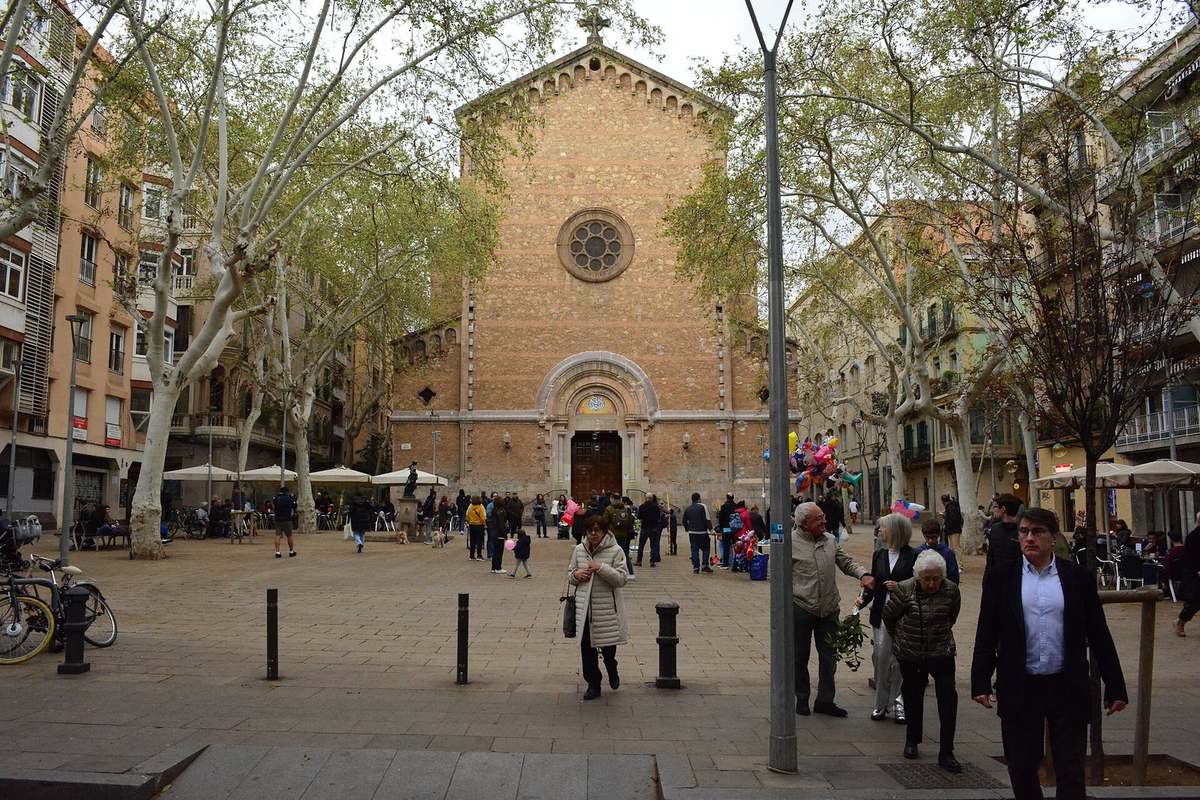
Plaça de la Virreina and Sant Joan church, Gràcia Photo: Joe Mabel, Wikimedia Commons (CC BY-SA 4.0) 1 Gràcia
Gràcia
Gràcia was an independent town until Barcelona annexed it in 1897, and it still feels like one, with low buildings and a string of small squares instead of the Eixample's grid. Read the full guide to Gràcia →
-
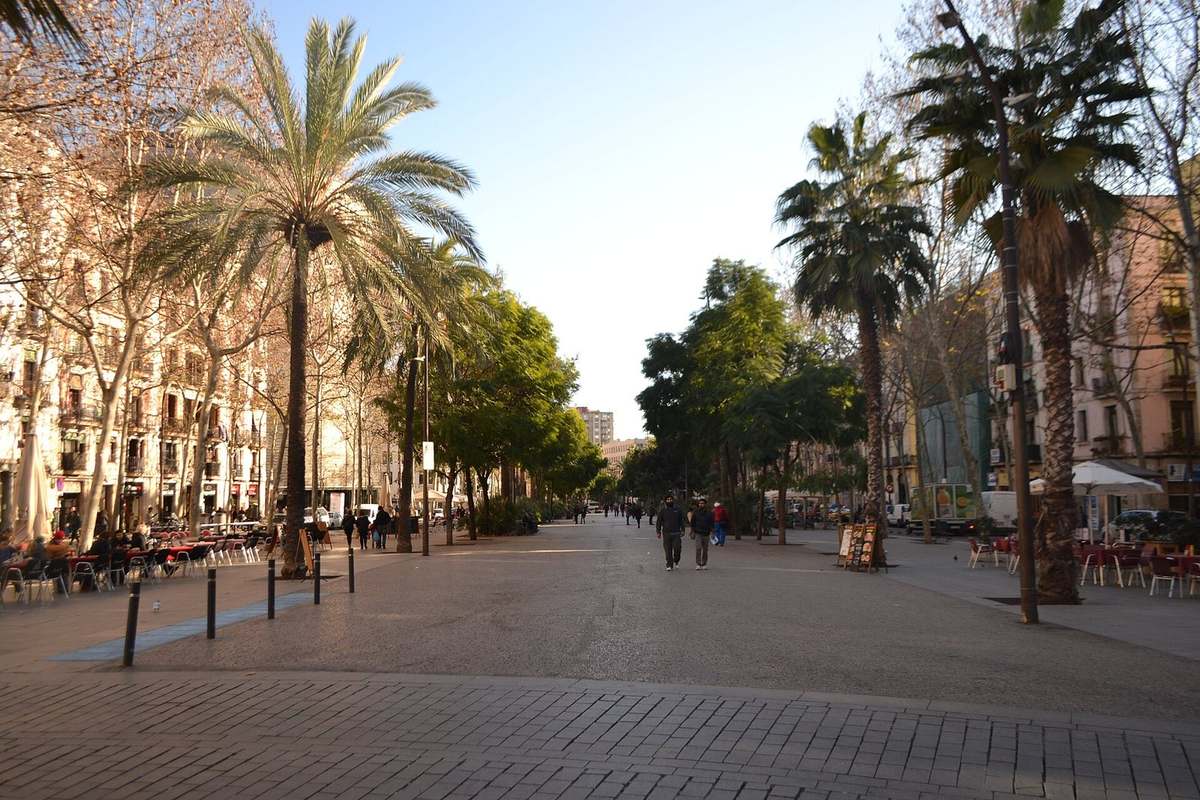
Rambla del Raval, El Raval Photo: Janko Hoener from Bonn, Germany, Wikimedia Commons (CC BY-SA 2.0) 2 El Raval
Ciutat Vella
El Raval is the half of the old town west of La Rambla, a dense, multicultural neighborhood where nearly half of the roughly 46,000 residents were born abroad. Read the full guide to El Raval →
-
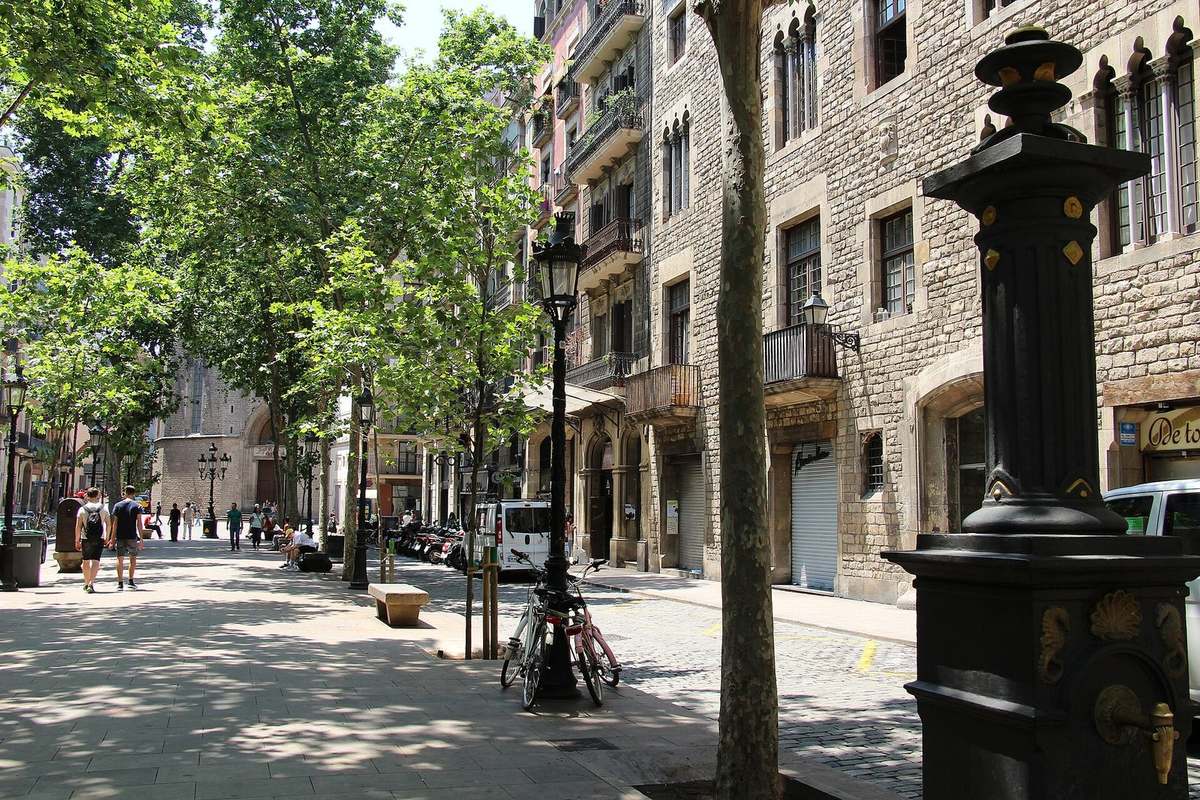
Passeig del Born looking toward Santa Maria del Mar Photo: Fred Romero, Wikimedia Commons (CC BY 2.0) 3 El Born
Ciutat Vella — Sant Pere, Santa Caterina i la Ribera
El Born is the lower part of La Ribera, the medieval merchants' quarter that grew outside the first walls toward the sea. Read the full guide to El Born →
-
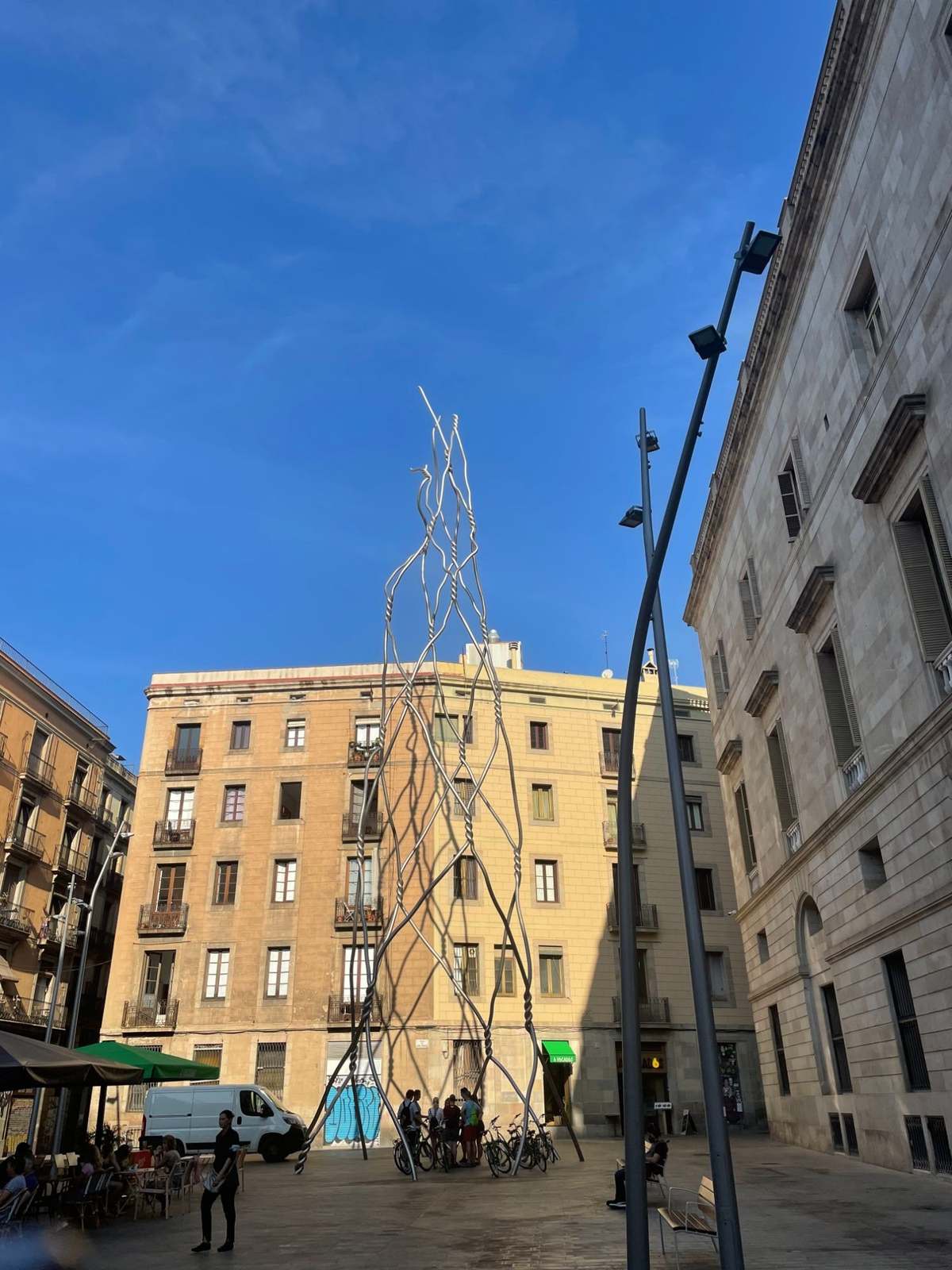
Gothic Quarter (Barri Gòtic) Photo: Barcelona Unlocked 4 Gothic Quarter (Barri Gòtic)
Ciutat Vella
The Gothic Quarter covers the oldest part of Barcelona, inside the line of the Roman walls of Barcino, and most of its lanes are closed to regular traffic. Read the full guide to Gothic Quarter (Barri Gòtic) →
-
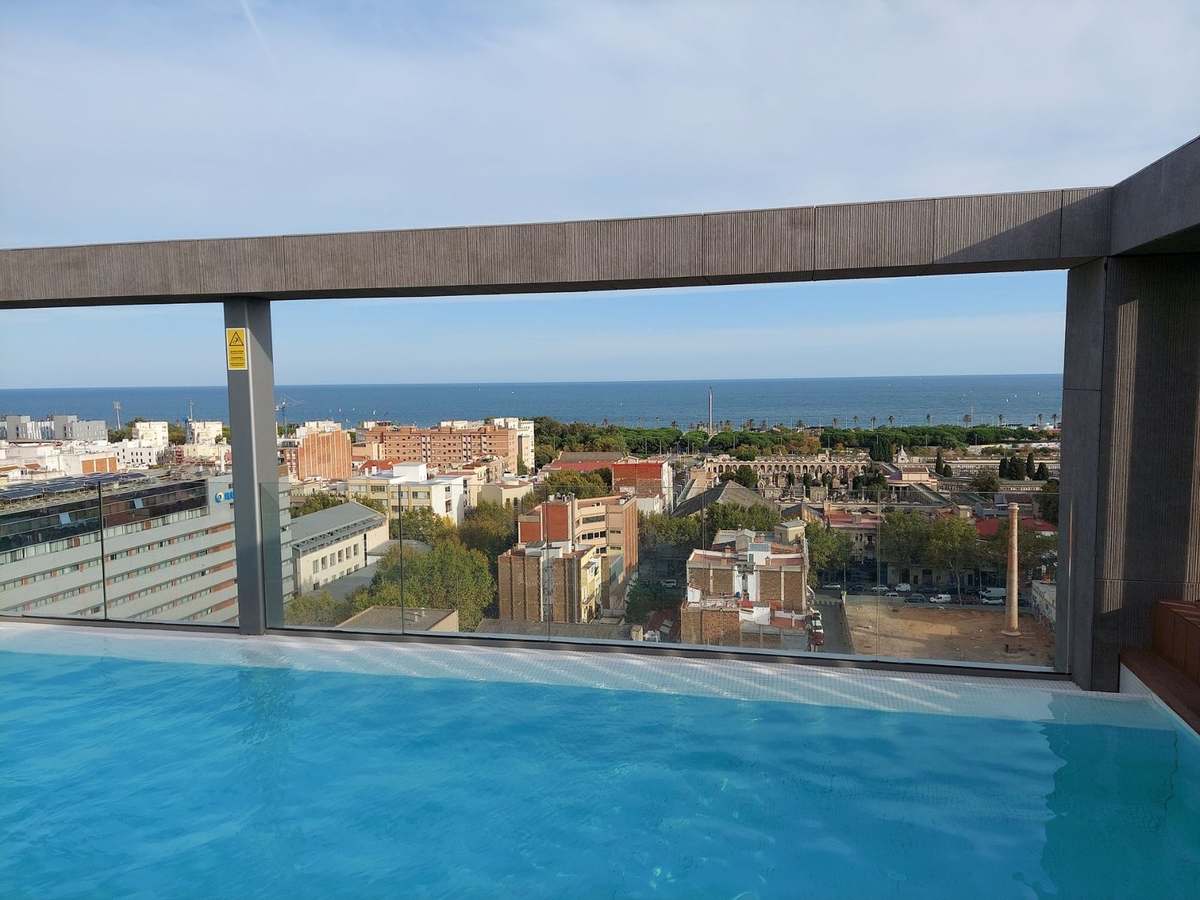
Poblenou Photo: Barcelona Unlocked 5 Poblenou
Poblenou & Sant Martí
Poblenou was the heart of Catalan industry in the 19th century, nicknamed the 'Catalan Manchester' for its concentration of factories. Read the full guide to Poblenou →
-
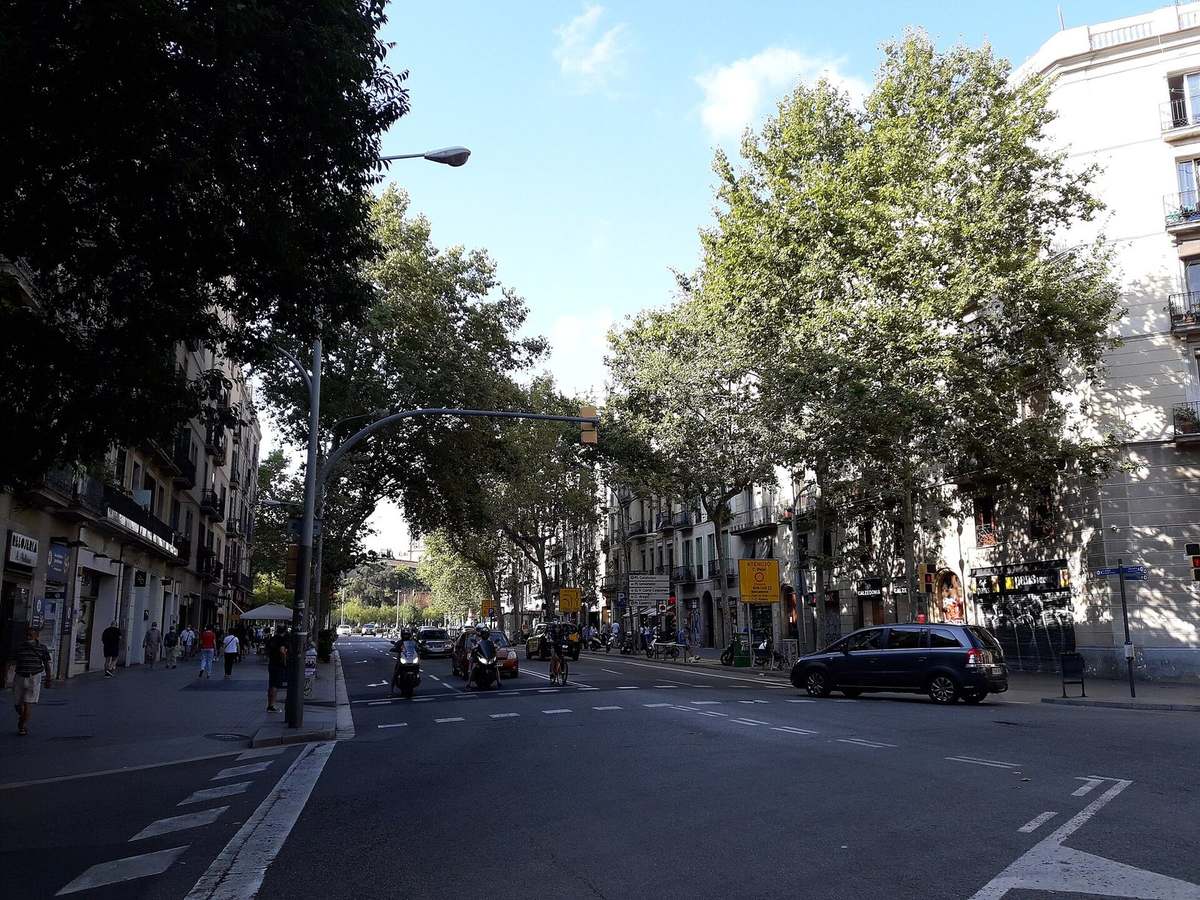
Ronda de Sant Antoni, edge of the Sant Antoni district Photo: pere prlpz, Wikimedia Commons (CC BY-SA 3.0) 6 Sant Antoni
Eixample
Sant Antoni is the corner of the Eixample bounded by Gran Via, the Ronda de Sant Antoni, the Ronda de Sant Pau and Avinguda del Paral·lel, home to about 39,000 people. Read the full guide to Sant Antoni →
-
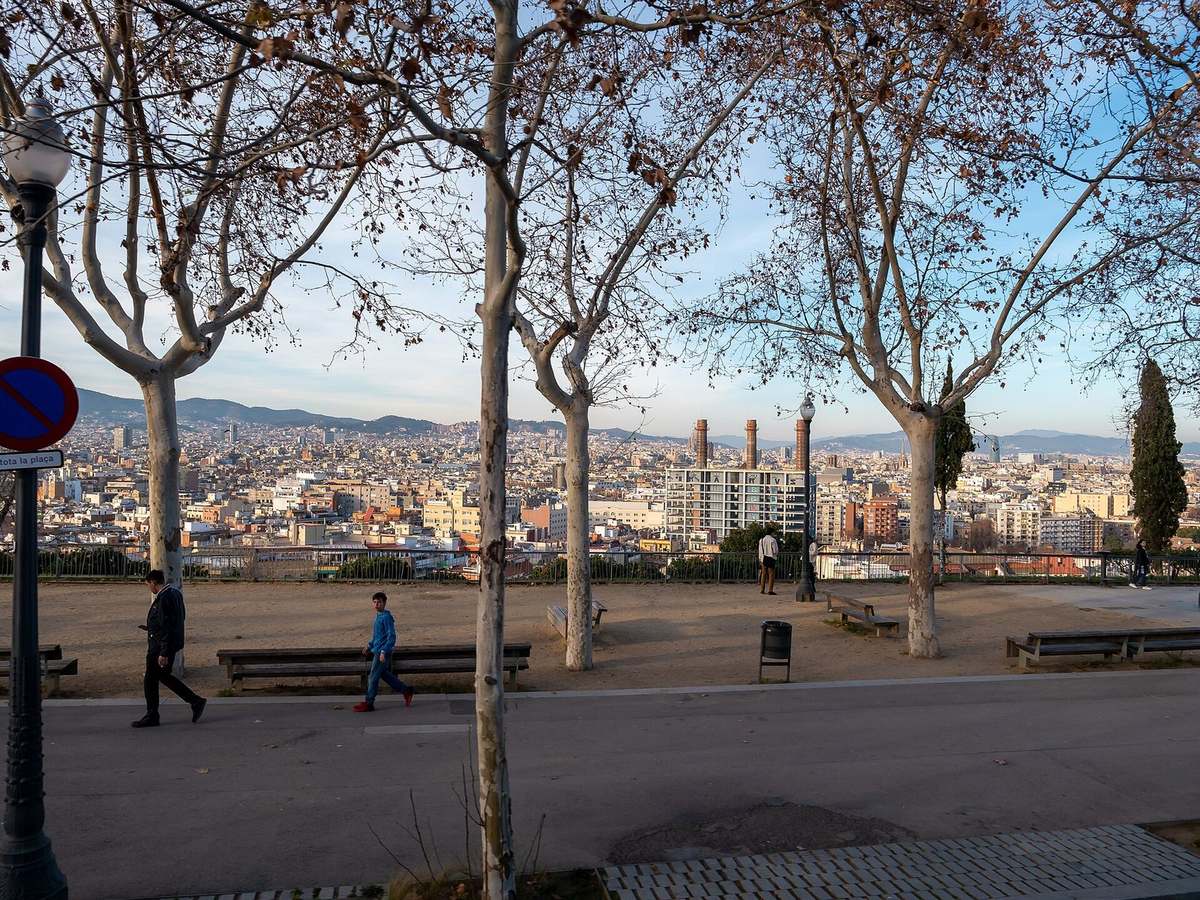
City view from the upper streets of Poble-sec Photo: Matti Blume, Wikimedia Commons (CC BY-SA 4.0) 7 Poble-sec
Montjuïc & Poble-sec
Poble-sec sits between the slopes of Montjuïc and Avinguda del Paral·lel and is often called Barcelona's first extension, settled from around 1850, before the Cerdà Plan, by families who no longer fit in the Raval. Read the full guide to Poble-sec →
-
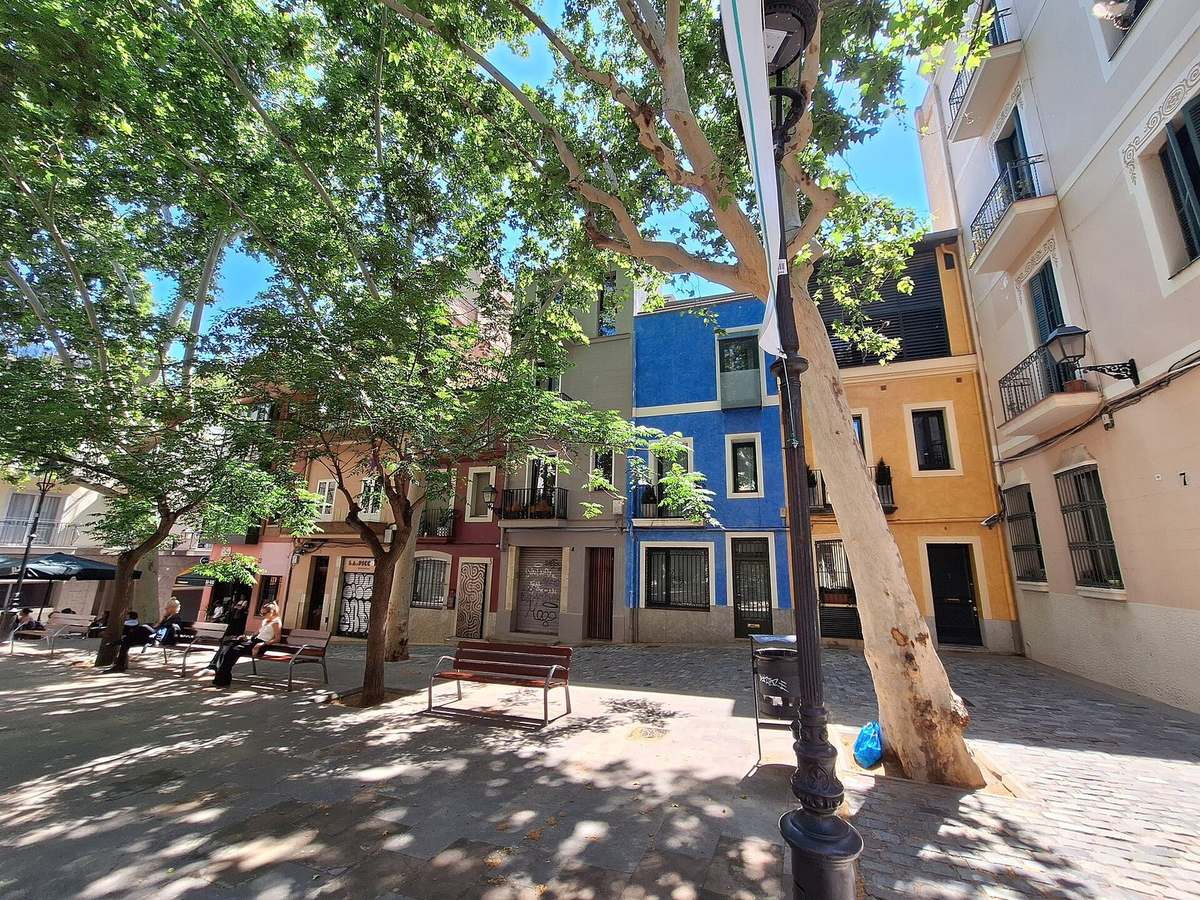
Plaça de Sant Vicenç de Sarrià, Sarrià Photo: Pere López Brosa, Wikimedia Commons (CC BY-SA 4.0) 8 Sarrià
Sarrià-Sant Gervasi & Tibidabo
Sarrià was the last independent town to be absorbed by Barcelona, by a decree of November 1921 that residents protested, and its core still feels like a village. Read the full guide to Sarrià →
-
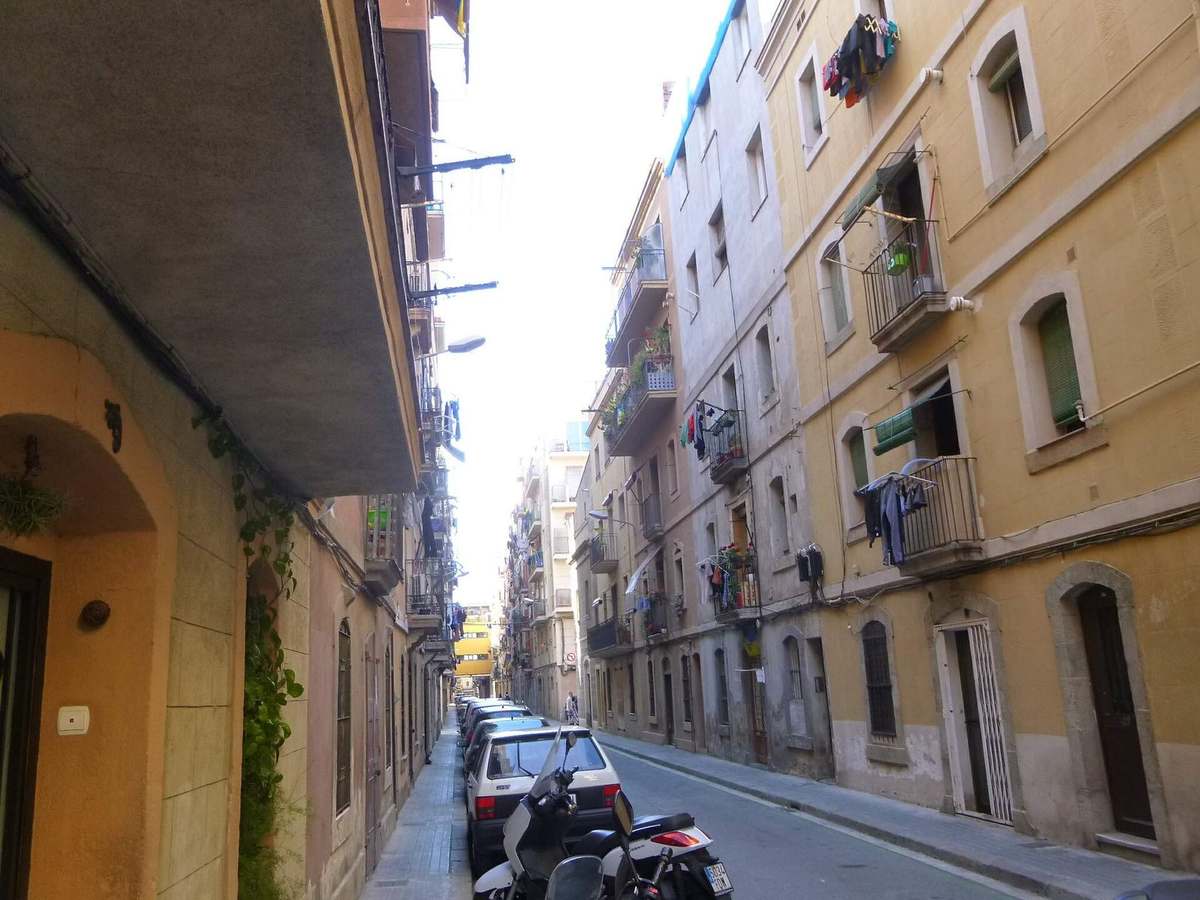
A typical narrow street in La Barceloneta Photo: Zarateman, Wikimedia Commons (CC0) 9 La Barceloneta
Barceloneta & Port
La Barceloneta is the seafront quarter between Port Vell and the beaches, designed by engineer Juan Martín Cermeño. Read the full guide to La Barceloneta →


